A Comprehensive Guide to the Manufacturing and Processing of Rubber Keypads for Ideal Efficiency
The production and processing of rubber keypads play a necessary duty in their efficiency and usability. Material choice, design precision, and advanced production methods significantly affect their resilience and performance. Recognizing these aspects is important for producing top notch products. As various developments emerge in this area, discovering their ramifications might disclose brand-new requirements for performance and customer experience. What key facets will shape the future of rubber keypads?
Comprehending Rubber Keypads: Products and Kinds
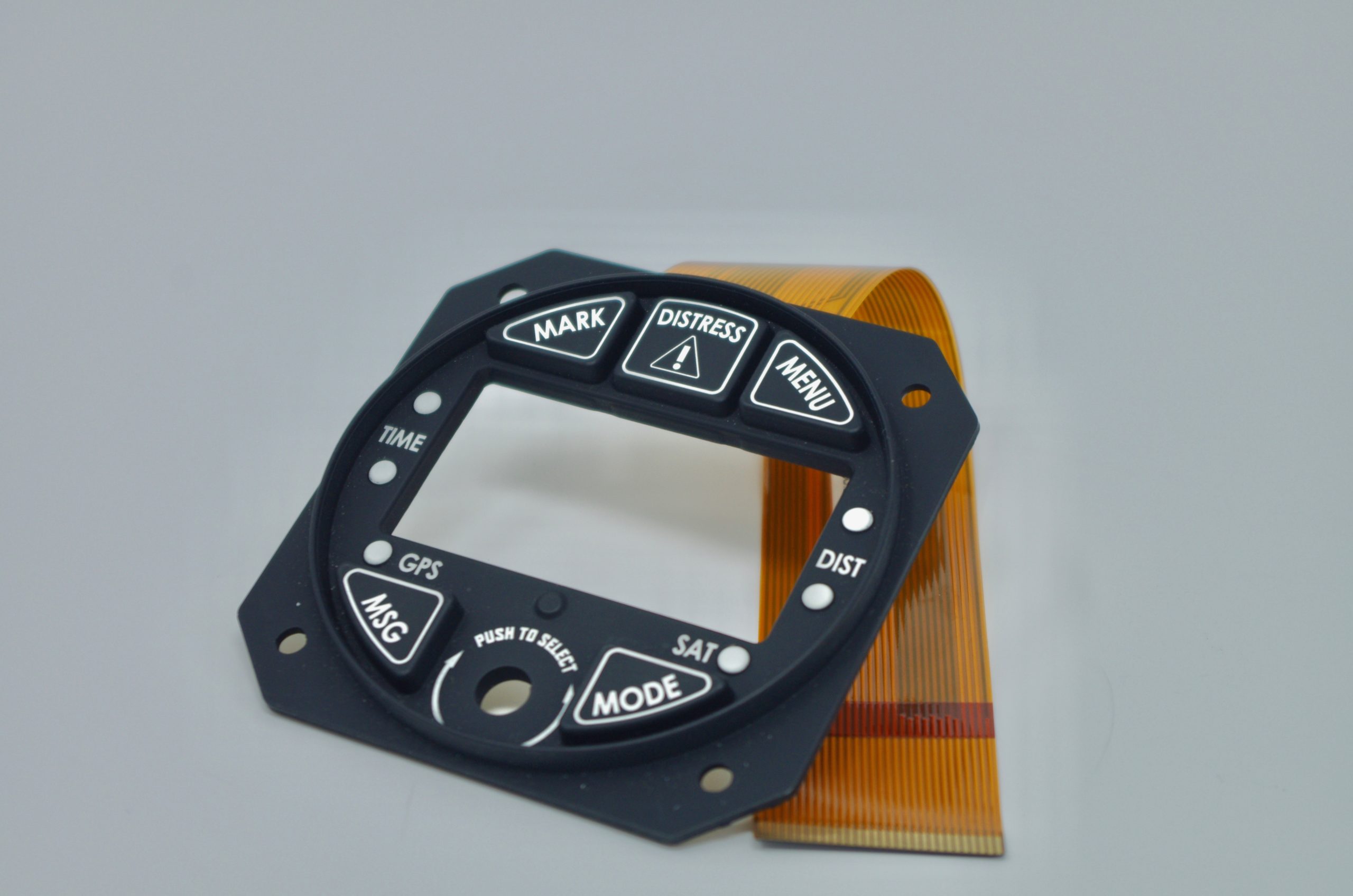
Rubber keypads are essential components in numerous devices, providing a balance of longevity and responsive responses. These keypads are mainly made from silicone or artificial rubber, products picked for their flexibility and resilience. Silicone rubber, specifically, is favored for its exceptional temperature resistance and long life, making it excellent for numerous applications, from customer electronics to industrial equipment.
There are several sorts of rubber keypads, including dome button keypads, which make use of a dome-shaped mechanism that offers responsive feedback when pressed. Furthermore, there are also flat keypads, which feature a smooth surface area and are frequently made use of in clinical tools and remote controls. The choice of material and kind affects the keypad's efficiency, feel, and total customer experience. Comprehending these aspects is vital for manufacturers and developers aiming to develop reliable and reliable interfaces in their items.
The Production Process: From Style to Manufacturing
The manufacturing process of rubber keypads involves several vital phases, starting with layout and ending with production. Designers produce in-depth specs and models, ensuring the keypad fulfills functional and visual demands. Computer-aided layout (CAD) software is often made use of to visualize the design and features before continuing.
Once the design is completed, product choice is important, with choices typically including silicone or all-natural rubber. In the following phase, mold and mildews are created based on the authorized designs, which will shape the keypads during manufacturing.
Complying with mold and mildew production, the production stage starts, where rubber is mixed with ingredients to enhance efficiency. The blend is then put into molds and subjected to warmth and pressure, permitting it to cure and solidify.
Finally, the completed keypads undergo top quality checks to confirm they meet established requirements, followed by product packaging for distribution. This all-encompassing process assurances peak performance in the final product.
Secret Techniques in Rubber Molding
In the domain of rubber keypads, numerous molding techniques play a critical role in identifying the high quality and functionality of the final product. One widespread approach is compression molding, where raw rubber is placed in a warmed mold and stress is used, enabling efficient automation and uniformity. Another substantial strategy is injection molding, which includes injecting heated rubber into a mold and mildew, using greater accuracy and complex shapes. Transfer molding, a hybrid of both approaches, is likewise used, particularly for detailed layouts, as it integrates the benefits of both procedures. Additionally, fluid silicone rubber (LSR) molding is getting grip due to its flexibility and resilience, making it suitable for high-performance applications. Each method possesses special attributes, influencing factors such as cycle time, product waste, and manufacturing expenses. Selecting the suitable molding method is important for achieving peak efficiency in rubber keypads.
Surface Finishing and Texturing Options
Surface area completing and texturing alternatives play a vital function in boosting the responsive experience and aesthetic charm of rubber keypads. Suppliers employ numerous strategies to develop distinctive surface qualities that impact customer communication and product style. Usual finishing techniques include matte, glossy, and satin surfaces, each providing various aesthetic impacts and grip degrees. Texturing choices, such as elevated patterns, grooves, or stippling, additionally enhance capability by boosting traction and minimizing slippage throughout usage.
Furthermore, particular appearances can be tailored to fulfill ergonomic requirements, supplying convenience during extended use. The choice of surface area finishes and structures can be influenced by the designated application of the keypad, whether it be for consumer electronics, auto controls, or industrial tools. Inevitably, cautious factor to consider of these options adds significantly to individual contentment and total item efficiency, making them important aspects in the layout and production process of rubber keypads.
Quality Assurance Measures in Rubber Keypad Manufacturing
Quality assurance steps in rubber keypad manufacturing are vital for making certain product integrity and efficiency. These actions encompass product selection standards, extensive screening treatments, and rigid final assessment standards. With each other, they create a detailed framework that helps producers copyright top quality throughout the manufacturing procedure.
Material Option Criteria
Choosing the suitable materials for rubber keypads is essential, as it straight affects their individual, resilience, and functionality experience. Trick standards for material option include tensile toughness, strength, and ecological resistance. The selection of rubber substance, such as other silicone or polycarbonate elastomer (TPE), plays a crucial function in attaining desired tactile feedback and longevity. Additionally, aspects like chemical compatibility, temperature security, and UV resistance should be taken into consideration to ensure maximum efficiency in different applications. Manufacturers need to additionally assess the ease of handling and cost-effectiveness of products, balancing quality with budget plan constraints. Ultimately, the right material selection not just enhances the keypad's performance but also contributes to overall product top quality and customer satisfaction.
Examining Treatments Applied
After establishing the proper materials for rubber keypads, strenuous testing procedures are applied to verify that the end products meet industry requirements and consumer expectations. These treatments normally consist of mechanical screening, which examines the resilience and elasticity of the rubber under various conditions. Furthermore, environmental screening analyzes the keypads' efficiency under temperature level variations, humidity, and direct exposure to chemicals. Electric screening validates the keypads work properly with digital elements, validating responsiveness and conductivity. Responsive feedback is examined to assure user complete satisfaction. These considerable testing measures are vital in recognizing any type of issues or incongruities prior to automation, eventually boosting the reliability and efficiency of rubber keypads in their desired applications.

Final Evaluation Standards
Thorough final evaluation requirements are vital in rubber keypad production to assure that each system satisfies the specified standards for performance and look. This procedure generally includes aesthetic evaluations to identify any kind of surface flaws, such as staining or flaws. Furthermore, responsive evaluations establish that the keypads respond precisely to touch, keeping the called for degree of level of sensitivity. Resilience examinations may likewise be carried out, simulating prolonged use to validate the long life of the keypad under different conditions. Adherence to sector guidelines and customer specifications is confirmed to maintain quality assurance. By carrying out these extensive assessment steps, suppliers can greatly minimize the threat of issues, making certain that the end product is reputable and meets consumer assumptions, ultimately improving consumer site link complete satisfaction.
Advancements in Rubber Keypad Technology
As modern technology remains to progress, advancements in rubber keypad modern technology are improving user interfaces across different industries. One significant improvement is the integration of capacitive touch sensors within rubber keypads, permitting an extra responsive and versatile user experience. This technology allows users to engage with gadgets via touch, boosting functionality without giving up the responsive responses that rubber keypads are understood for.
Furthermore, renovations in material formulas have actually brought about the development of even more durable, weather-resistant rubber, making keypads appropriate for outdoor and industrial usage. Boosted printing strategies also enable for high-resolution graphics and backlighting choices, increasing exposure and visual appeal.

Additionally, innovations in manufacturing procedures, such as 3D printing, are enabling customized layouts and quick why not try these out prototyping, streamlining manufacturing timelines. These innovations collectively add to a lot more straightforward and reliable rubber keypads, guaranteeing they meet the demands of modern-day applications while maintaining their core advantages.
Best Practices for Layout and Performance
Designing reliable rubber keypads requires careful examination of both aesthetic appeals and performance. Rubber Keypads. A well-designed keypad should balance ergonomic concepts with aesthetic charm to boost customer experience. Trick factors include dimension, form, and spacing of switches, ensuring they are very easy to press while protecting against accidental activation. Making use of contrasting structures and shades can improve exposure and responsive feedback, helping individuals in differentiating between secrets
Furthermore, the option of materials plays an essential duty; top quality rubber compounds can enhance sturdiness and resistance to wear. It is additionally crucial to think about the integration of attributes such as backlighting and custom graphics, which can boost usability in various settings.
Finally, prototyping and user screening are indispensable in the design procedure, enabling adjustments based on real-world comments. By sticking to these finest practices, makers can create rubber keypads that not only look enticing however also satisfy the functional demands of individuals efficiently.
Regularly Asked Questions
Just how Do I Select the Right Rubber Product for My Keypad?
To choose the right rubber material for a keypad, one must consider factors such as resilience, ecological resistance, responsive feedback, and compatibility with the desired application, making certain optimal efficiency and individual complete satisfaction in numerous problems.
What Are the Ecological Impacts of Rubber Keypad Production?
Rubber keypad manufacturing can cause environmental effects such as logging for natural rubber sources, contamination from chemical procedures, and waste generation. Lasting methods and products can mitigate several of these adverse results on environments.
Can Rubber Keypads Be Recycled or Recycled?
Rubber keypads can be reused, but the procedure depends on the particular materials made use of in their production. Reusing them in various applications is also possible, adding to waste decrease and promoting sustainability in making methods.
What Is the Typical Life-span of a Rubber Keypad?
The average life expectancy of a rubber keypad normally ranges from 5 to ten years, depending on usage, ecological aspects, and upkeep. Regular treatment can expand its performance, while extreme wear may reduce its durability.
Exist Any Type Of Health Issues Connected To Rubber Keypad Products?
There are prospective health and wellness worries related to rubber keypad products, consisting of allergies to specific chemicals and irritants used in production. Appropriate handling and recognition of material structure can alleviate these dangers for users.
There are a number of kinds of rubber keypads, consisting of dome switch keypads, which make use of a dome-shaped system that offers tactile comments when pressed. Selecting the ideal materials for rubber keypads is vital, as it directly affects their longevity, customer, and capability experience - Rubber Keypads. After figuring out the proper products for rubber keypads, extensive testing treatments are carried out to verify that the last items satisfy sector criteria and consumer assumptions. Rubber keypad manufacturing can lead to ecological impacts such as deforestation for all-natural rubber sources, pollution from chemical procedures, and waste generation. Rubber keypads can be recycled, however the procedure depends on the particular products utilized in their production